The Challenge
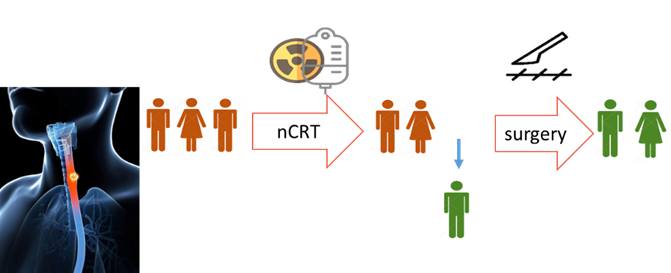
Esophageal cancer (OC) is a leading cause of cancer-related deaths, with current treatments combining chemotherapy, radiotherapy, and invasive surgery. While effective, surgery carries significant risks and often isn’t needed for patients who completely respond to earlier treatments. Unfortunately, existing imaging techniques cannot reliably predict treatment response, leading to unnecessary surgeries with high risks of complications.
Our Solution
This project aims to transform how we assess and treat OC using advanced quantitative MRI techniques. These methods will provide detailed insights into tumour characteristics like blood flow, cell density, and oxygen levels, enabling clinicians to tailor treatments for individual patients. By integrating machine learning and motion-compensation technology, we will create high-quality, easy-to-interpret images that can be used even in non-expert medical centers.
The Goal
By improving MRI image quality and accessibility, we aim to make personalized treatment decisions possible—helping to avoid unnecessary surgeries and improving patient outcomes. This project will pave the way for safer and more effective treatment strategies for people with oesophagal cancer worldwide.
People on the project